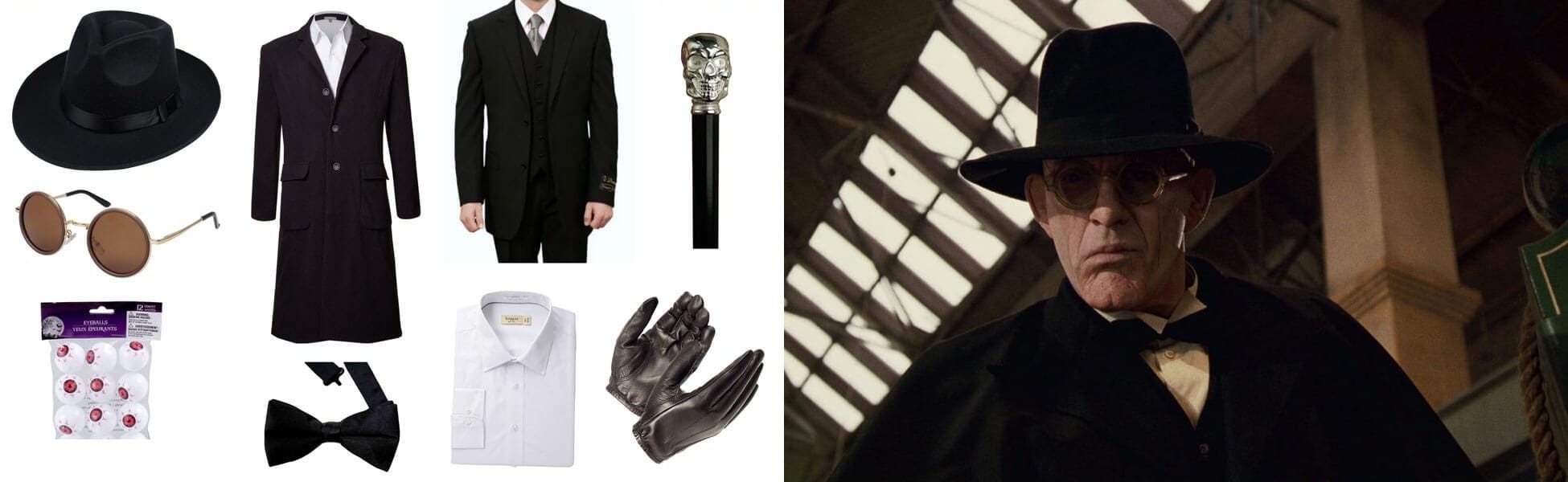
What You’ll Need

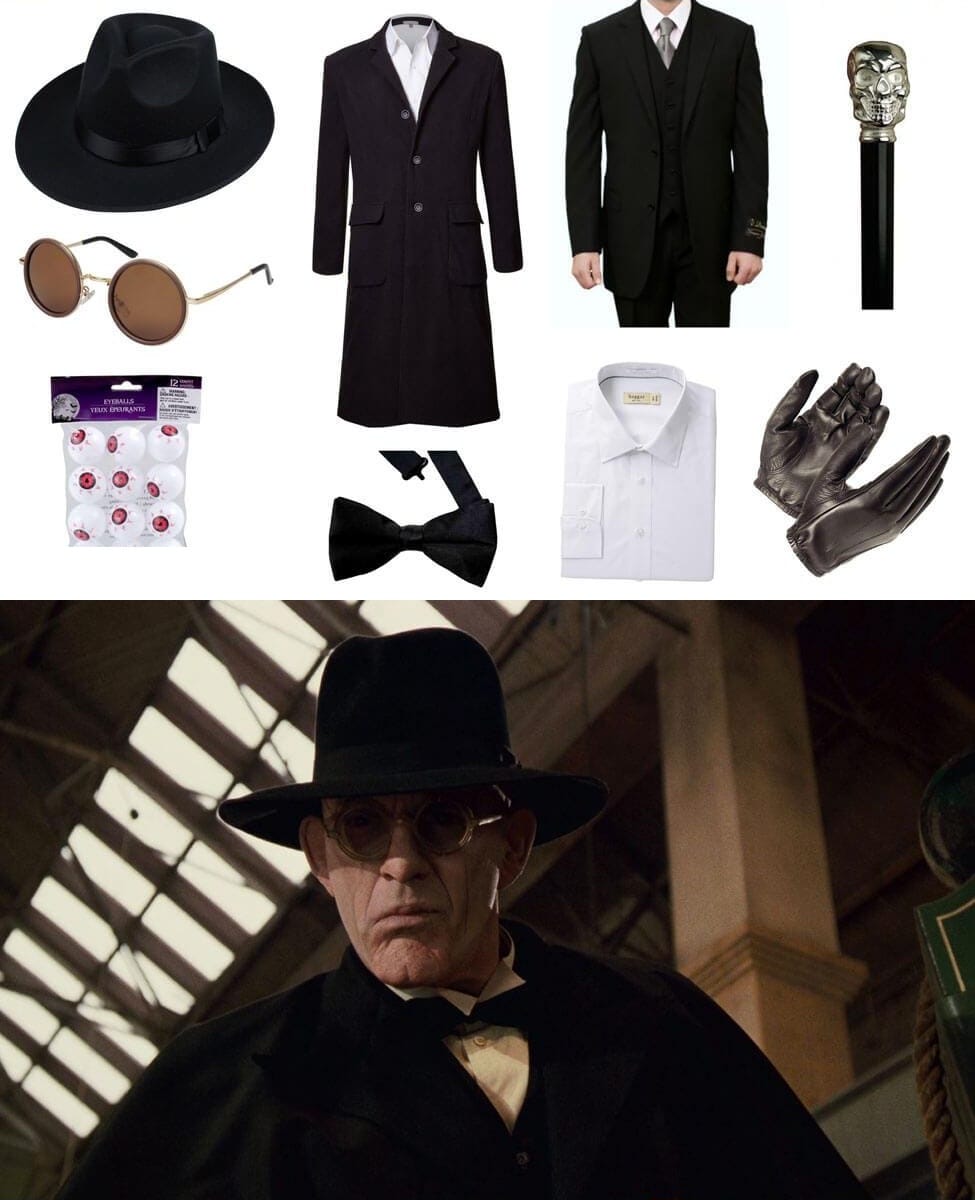
Black Wide-Brim Floppy Fedora Hat

Vintage Round Brown-Tinted Sunglasses

Plastic Red Eyeballs
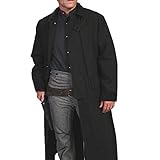
Black Long Duster Coat

Black Three-Piece Suit

White Dress Shirt

Black Bow Tie
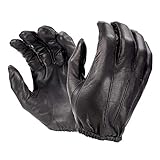
Black Leather Gloves
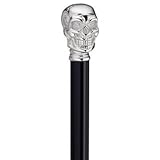
Black Skull Cane
Building Judge Doom’s Courtroom Presence From the Ground Up
The entire costume hinges on one decision: the duster coat. This is the piece that gives Doom his silhouette, and it needs to be heavy enough to hang with authority rather than flutter like a rain slicker. Look for a long black coat with a structured shoulder—wool blends work well, and a slight A-line cut lets it flare naturally when you walk. It should fall past the knee, ideally to mid-calf, so it reads as a proper duster rather than a long blazer.
Underneath, a black three-piece suit provides the severe foundation. The vest matters more than the jacket because it creates that unbroken column of black from collar to waist. Make sure the vest fits snugly across your torso—if it gaps or wrinkles, the whole silhouette loses its stiffness. The suit jacket itself should be tailored but not tight; Doom moves with a controlled, deliberate quality, and a restrictive jacket will make you look stiff in the wrong way. Straight-leg trousers with a classic fit complete the base, and they should break neatly over your shoes without pooling.
The shirt and bow tie work as a single unit. A white dress shirt with a stiff point collar sits high against the neck, and the black bow tie should be tied snugly so it doesn’t droop or shift throughout the day. Pre-tied clips are fine if you aren’t comfortable tying one, but make sure the band sits hidden beneath the collar points. The bow tie disappears into the dark palette, which is exactly what you want—it’s a formality marker, not a focal point.
Headwear is where the character becomes recognizable. The fedora should have a wide brim and a soft, floppy crown—not a stiff, modern fedora with a sharp pinch. Pull it low over your brow so it casts a shadow across your eyes. The sunglasses are equally important: round, brown-tinted lenses with thin wire frames. These aren’t modern aviators or wayfarers; they’re vintage-style spectacles that obscure your gaze entirely. If you can find a pair with a slight amber or sepia tint, even better.
Black leather gloves cover your hands completely. They should fit snugly through the fingers so you can grip the cane without bunching, and they should extend past the wrist so no skin shows when you adjust your coat or hat. The cane itself is your primary prop—a black shaft with a polished skull handle. Weight matters here: a heavier cane gives you a grounded, authoritative presence, and it will naturally slow your stride. Practice walking with it before the event so you’re not fumbling or tapping it awkwardly.
For the shoes, any black dress shoe with a polished finish works. They’re barely visible beneath the duster and trousers, so don’t overthink the style—just make sure they’re broken in and comfortable, since you’ll be on your feet for hours.
If you want to nod to the film’s climax, carry a pair of plastic red eyeballs in your jacket pocket. They’re a small detail, but pulling them out for a photo or a quick gag will land well with fans who know the scene. You can find them at any craft store or online for a few dollars.
One practical note on fabric care: steam or iron every piece before you leave the house. Doom’s presentation is immaculate, and visible wrinkles will break the illusion faster than any inaccuracy. Keep a lint roller in your car or bag if you’re traveling, and bring a microfiber cloth for the sunglasses—they will smudge, and wiping them on your glove only makes it worse.
The last piece is posture. The costume does half the work, but the character lives in how you carry yourself. Stand straight, keep your movements slow and deliberate, and don’t smile reflexively. When you speak, keep your voice low and even. Tilting the fedora down slightly and looking up through the tinted lenses creates a dramatic shadow across your face that photographs exceptionally well—it’s a small adjustment that makes a significant difference in how the costume reads in pictures.
More Costume Ideas
Postal Dude Cosplay Costume Guide: Outfit, Accessories & Styling
DIY Lana Loud Costume Guide
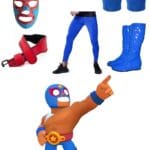
El Primo Costume Guide: Recreate the Legendary Brawler's Look
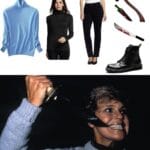
Pamela Voorhees DIY Costume Guide

Raygun Paris 2024 Olympic Costume Guide
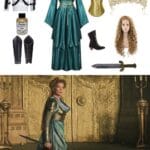
DIY Frigga Costume Guide
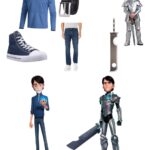
Jim Lake Jr. Trollhunters Costume Guide
Pikotaro PPAP Costume Guide
Bumper from Pitch Perfect Costume Guide