What You’ll Need




Building the Tiny Desk Prom Queen Look
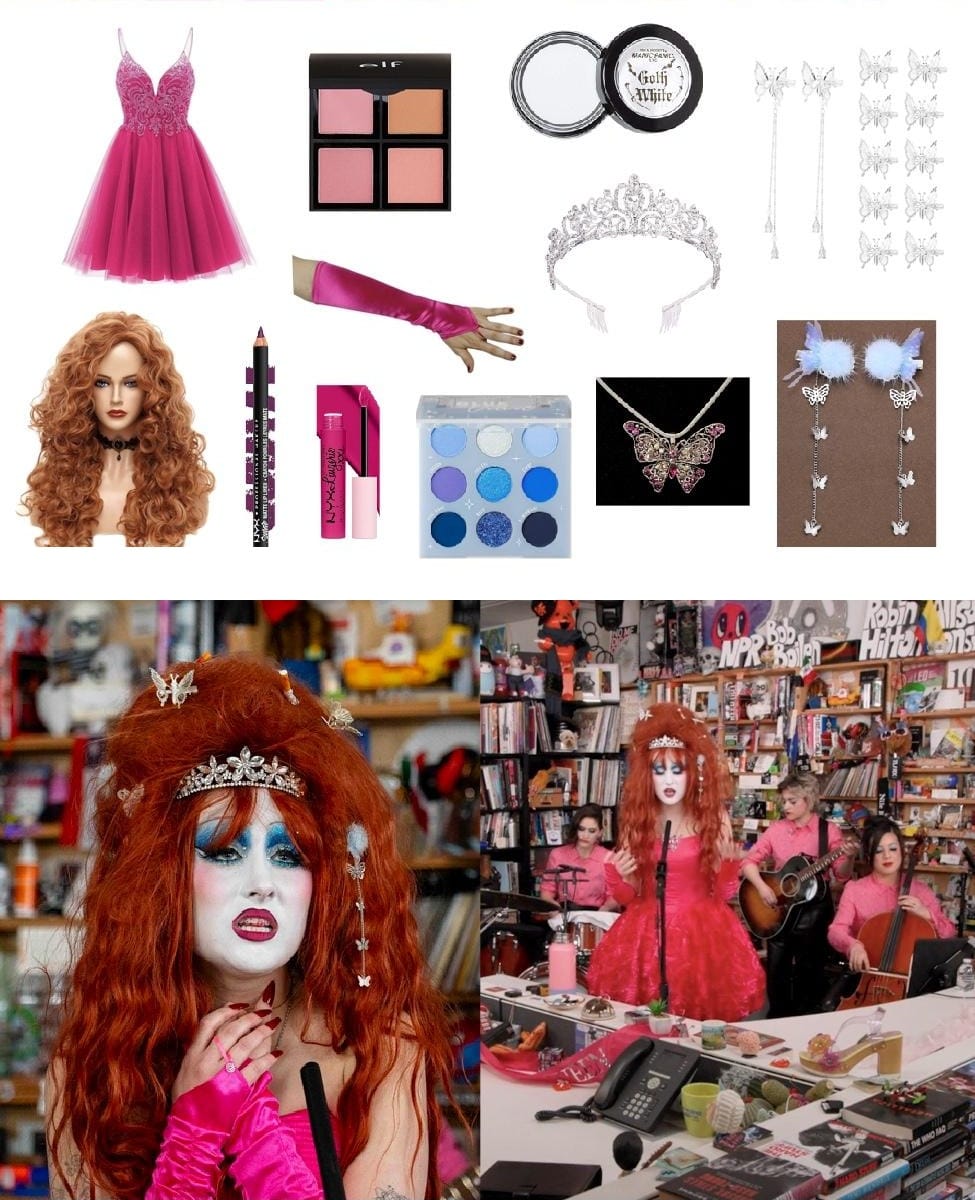
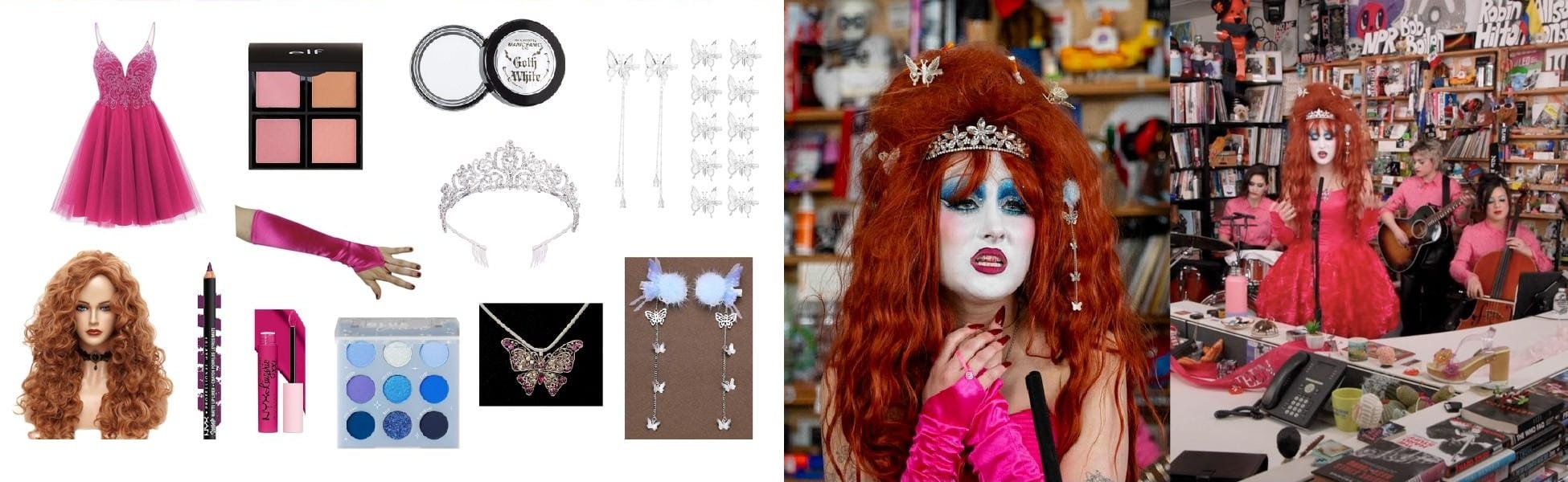
The dress is the entire foundation of this costume, so it deserves the most attention. You need a pink formal gown with serious volume—think shiny satin or taffeta in a bright, almost candy-like shade. The key features are puff sleeves, a fitted bodice, and a skirt that flares out dramatically. Vintage-inspired prom dresses from the 1980s are ideal if you can find one secondhand, but modern pageant dresses work just as well. If your dress doesn’t have enough natural fullness, a crinoline or layered petticoat underneath will give it that exaggerated bell shape. The skirt should move when you move; a limp dress will undermine the entire look.
Opera-length pink gloves complete the retro pageant silhouette. Satin gloves look more formal, while stretch spandex gloves are easier to wear for long periods. The important thing is that they reach past the elbow and fit snugly enough to stay up without constant adjustment. Try moving your arms around when you try them on—you need to be able to handle a phone, adjust your wig, and gesture dramatically without the gloves sliding down.
For shoes, keep it simple. The dress is long enough that footwear barely shows, so prioritize comfort. Kitten heels or white platform boots both work, depending on what you already own. Since you’ll likely be standing during a performance or event, pick something you can move in.
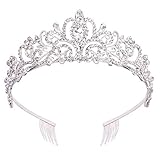
The hair is where this costume becomes unmistakably Chappell. You need a large, curly red wig—the bigger and more teased, the better. Work through the wig in small sections, backcombing each one and sealing the volume with extra-hold hairspray before moving on. Once the shape is locked in, scatter butterfly clips throughout the curls. Mix moving butterfly clips with pom-pom accents so the hair has visual texture from every angle. A silver rhinestone tiara sits at the crown, anchored with bobby pins pushed through the tiara’s loops and into the wig’s mesh base. Cross the pins in an X pattern for extra security—this is the difference between a tiara that stays put and one that shifts every time you nod.
Jewelry is a layering game. Stack multiple butterfly necklaces at different chain lengths so they sit at varying points across the collarbone. Shorter chains catch the light near the neckline while longer ones rest against the dress bodice. Chunky costume pieces work better here than delicate jewelry; the goal is visible sparkle, not subtlety.
Makeup follows the same principle of deliberate excess. Start with a pale foundation to create a blank, almost doll-like base. Build vivid blue eyeshadow across the entire lid, blending it past the crease and up toward the brow bone—this is theatrical makeup, not everyday wear, so don’t be shy with the pigment. The blush is the signature element: apply it intensely across the cheeks, sweeping outward in a dramatic arc. Cream pigments blend more smoothly over foundation than powder, so map out the placement with cream first, then set with powder. Finish with sharp purple lip liner and a glossy pink lipstick. The contrast between the cool blue eyes, hot pink cheeks, and purple-lined lips is what makes the face read as Chappell rather than just “someone wearing stage makeup.”
Because the foundation is so pale, setting is non-negotiable. A theatrical translucent setting powder pressed over the white base, followed by a setting spray, will keep everything in place through hours of wear. This is one costume where skipping the setting step means watching your makeup melt in real time.
The final piece is the performance itself. This look is built on camp confidence—stand tall, move with theatrical energy, and let the dress and hair do the work. The charm comes from committing fully to the excess. If you hold back on the volume, the color, or the attitude, the costume loses its point.
More Costume Ideas
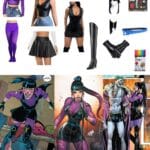
DIY Punchline Cosplay Costume Guide

Total Drama Sam Cosplay Costume Guide
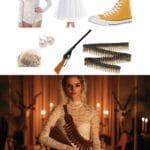
Grace Ready or Not Costume Guide
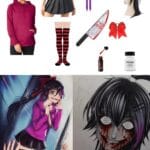
Nina the Killer Cosplay Costume Guide: Outfit, Accessories & Styling
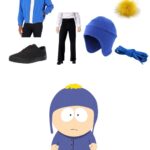
Craig Tucker South Park Cosplay Guide
Sheva Alomar Resident Evil 5 Costume Guide

Jeff the Land Shark Costume Guide
Postal Dude Cosplay Costume Guide: Outfit, Accessories & Styling
Mysterion South Park Cosplay Guide