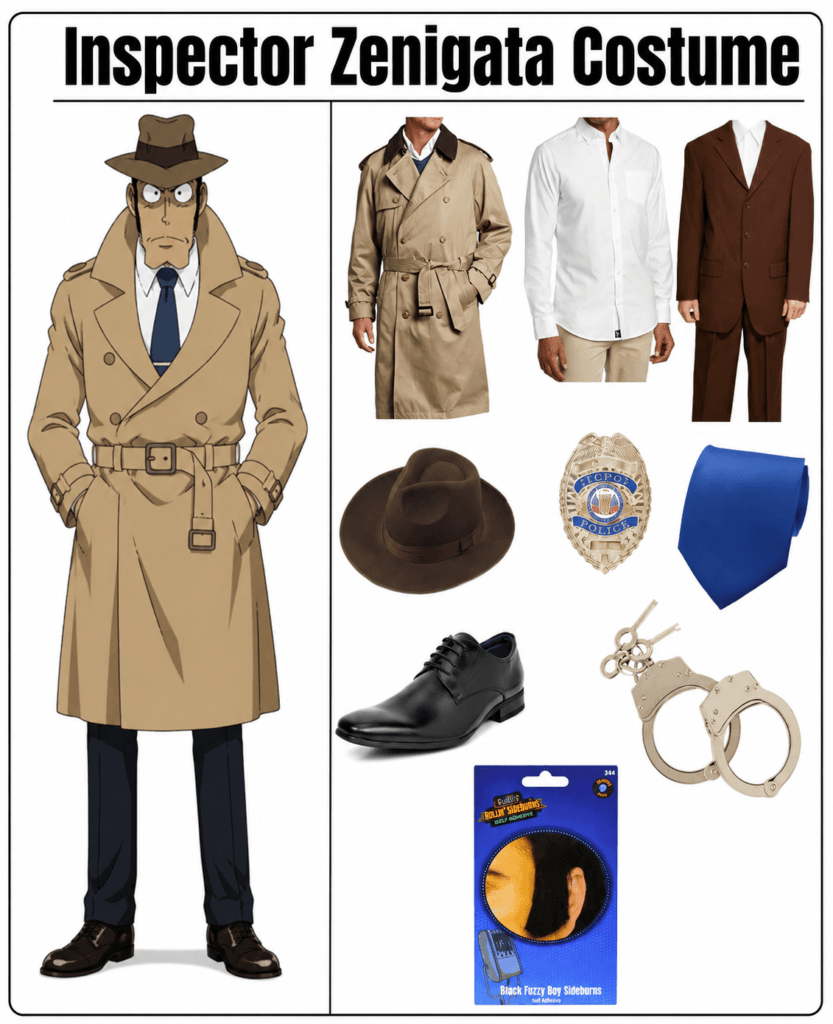




Building Zenigata’s Classic Detective Silhouette
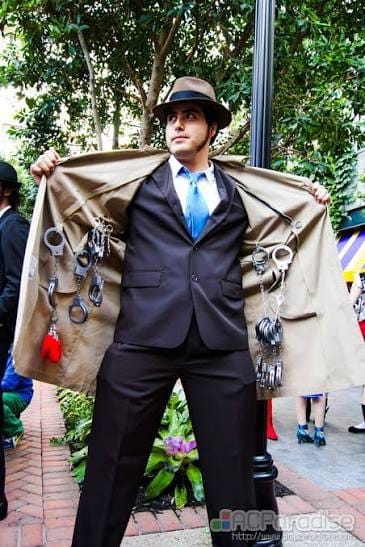
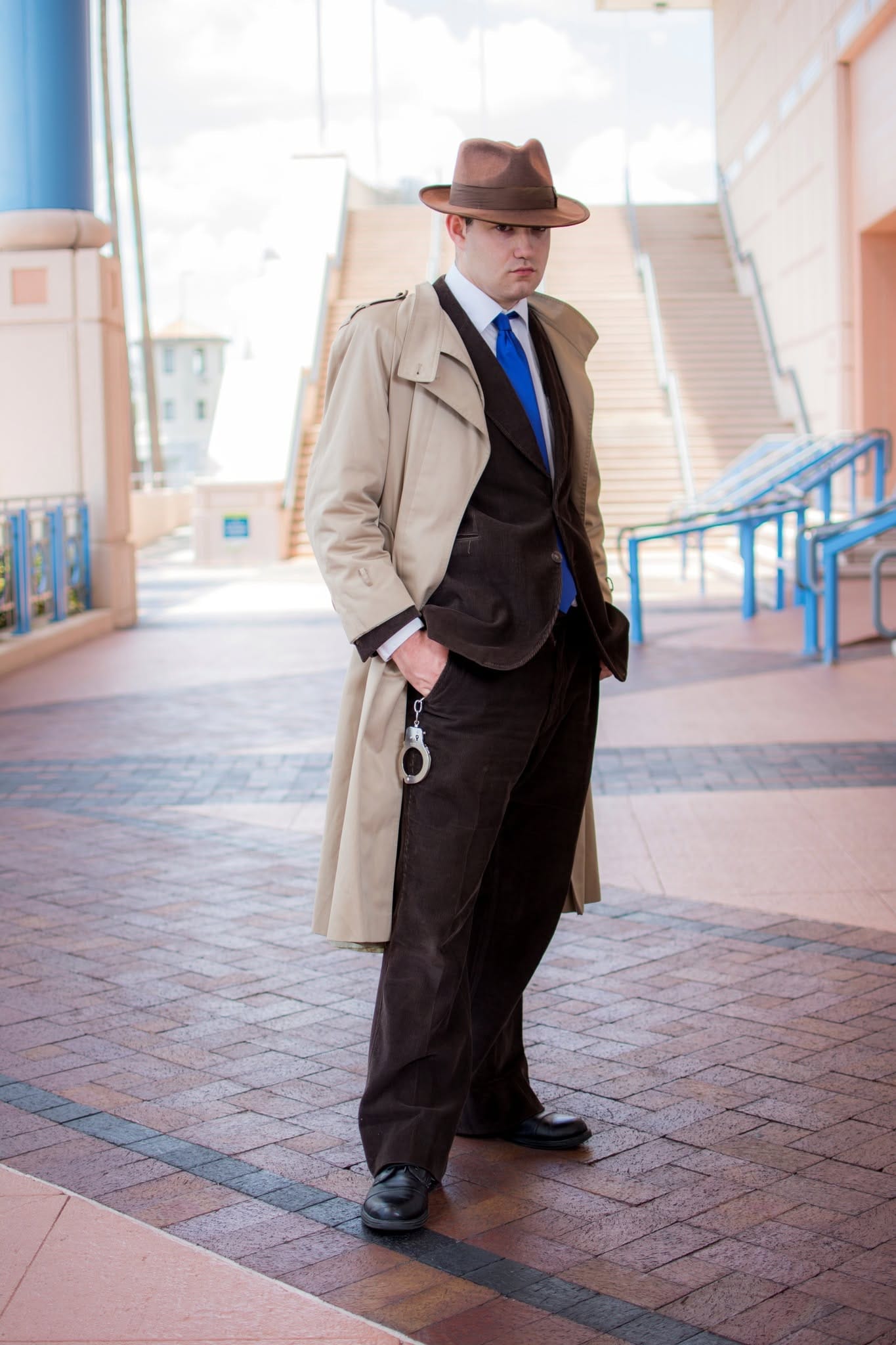
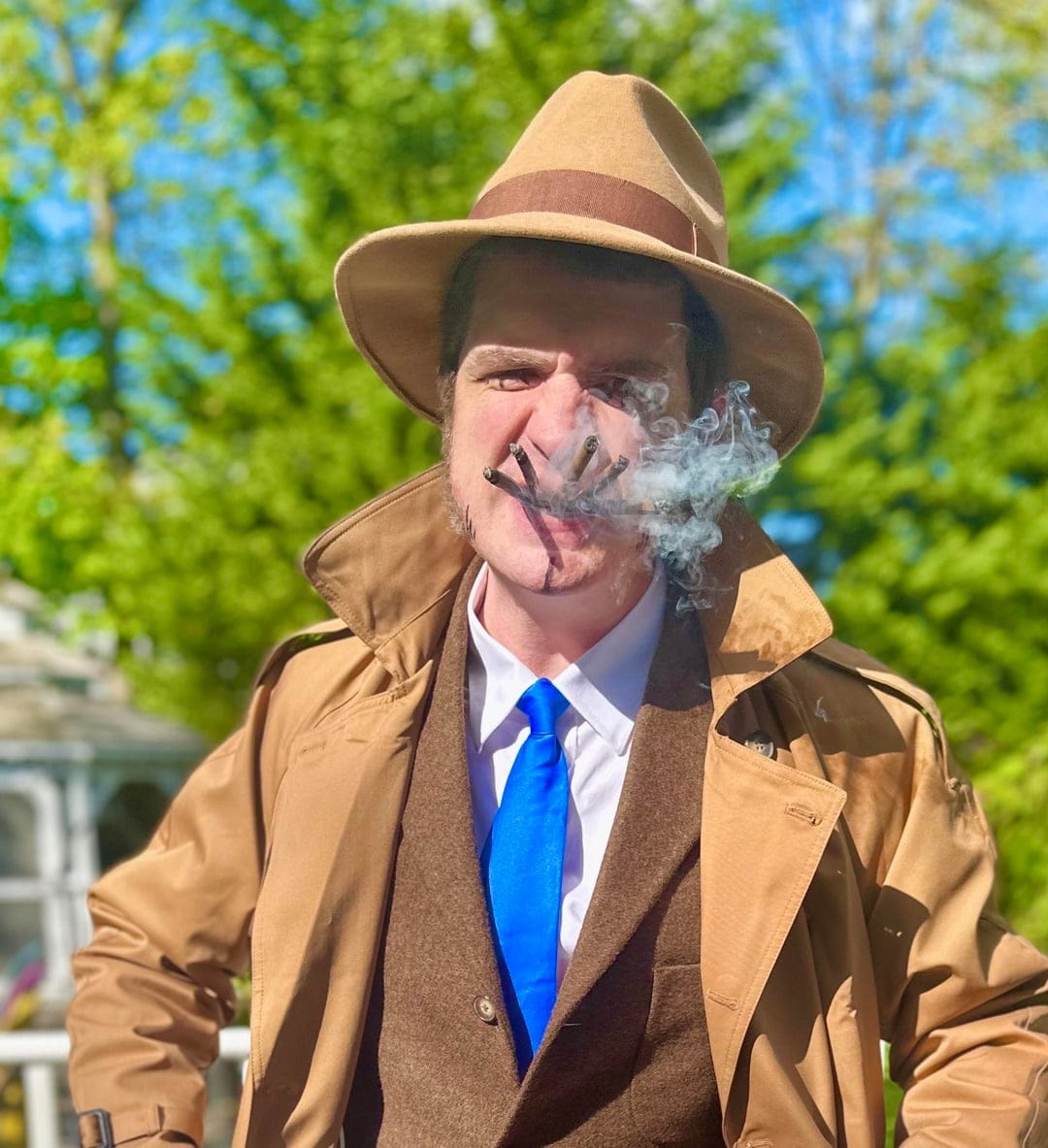
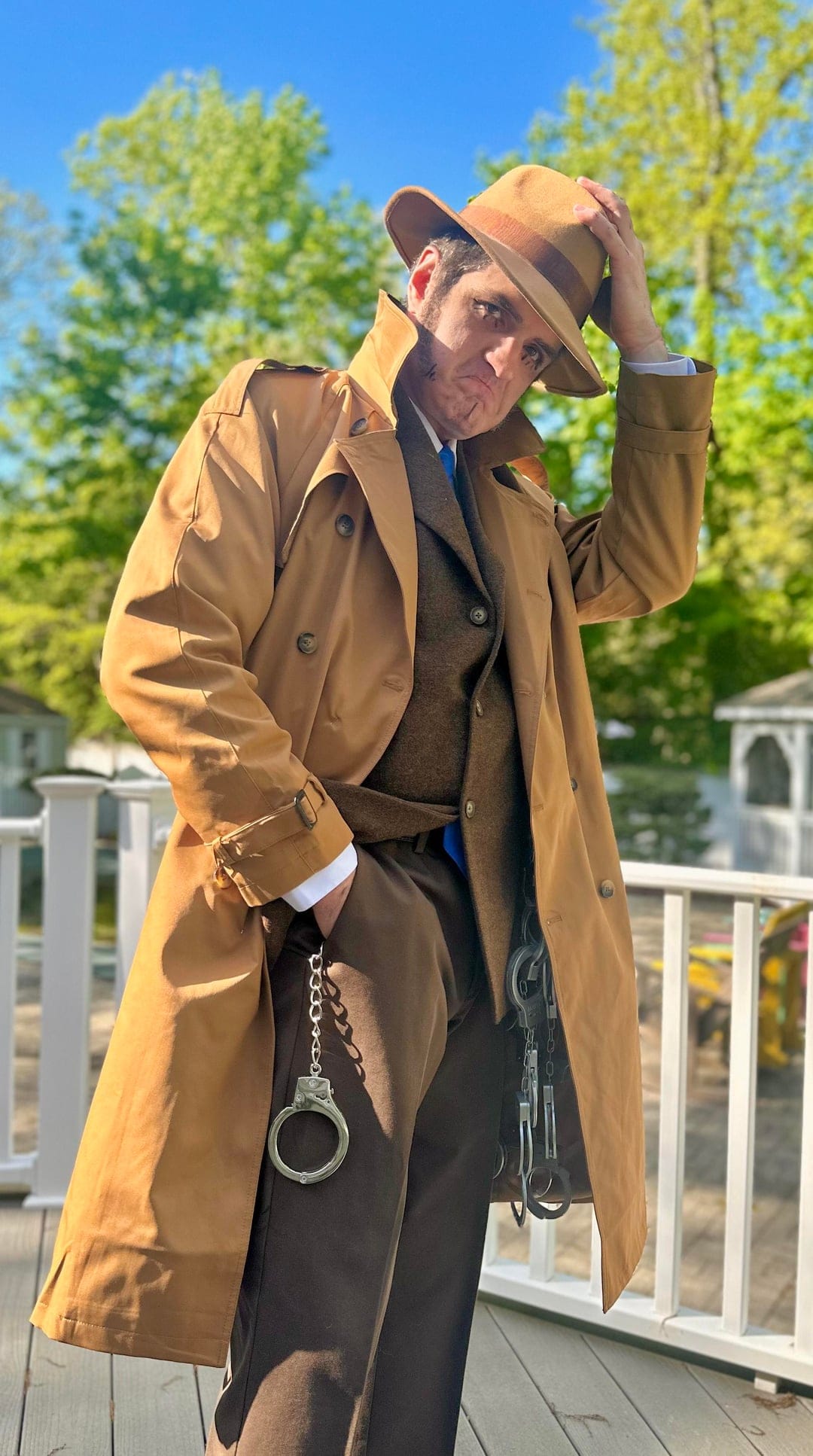
The entire costume hangs on the trench coat, so start there. A double-breasted brown trench with a belt and wide lapels is the single most recognizable piece of the character. You do not need a screen-accurate replica; any well-fitted thrift store trench in a medium-to-dark brown will work. Pay attention to length—it should fall around the knee, not ankle-length, and the shoulders should sit naturally rather than oversized.
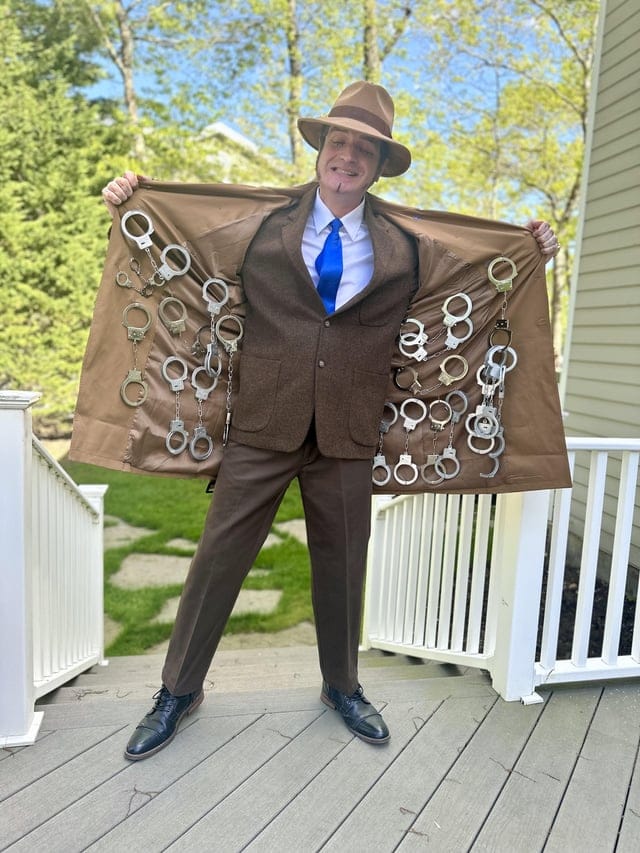
Under the coat, Zenigata wears a brown suit. The jacket and trousers should match each other, but they do not need to match the trench coat. A slightly lighter or warmer brown under a darker coat gives the layered look some depth. If you already own a brown suit, you are most of the way there. If not, a two-piece suit from a discount retailer is fine; the coat covers most of the jacket anyway, so the visible portions are the lapels, the shirt collar, and the tie knot.
The shirt and tie work together as one unit. A crisp white button-down with a collar that sits flat under the suit jacket is correct. The tie is a solid blue—nothing patterned, nothing shiny. Tie it so the knot sits centered and the blade falls straight. Since the trench coat is usually worn closed in the character’s standard look, the tie and shirt only show through the V of the coat lapels. Keep that area neat; it is the focal point of the upper half.
The fedora is the second most important piece. Look for a wide-brimmed brown hat with a center dent and a plain band. Outback-style hats are a common match because they are widely available and have the right brim width. The brim should be stiff enough to hold its shape when you tilt the hat forward. Wear it low, pulled down so the brim shades your eyes. If the hat feels loose, tuck a strip of foam or folded fabric inside the sweatband rather than relying on bobby pins alone.
The badge matters more than most people expect. Zenigata’s police badge is a gold or brass shield shape, and it should be clipped to the left lapel of the suit jacket—visible through the open trench coat. Many cosplayers make the mistake of clipping it to the trench coat itself, which is wrong. A simple metal detective badge from a costume shop or an online uniform supply store works. If the badge has a pin back, reinforce it with a small magnet on the inside of the lapel so it does not sag.
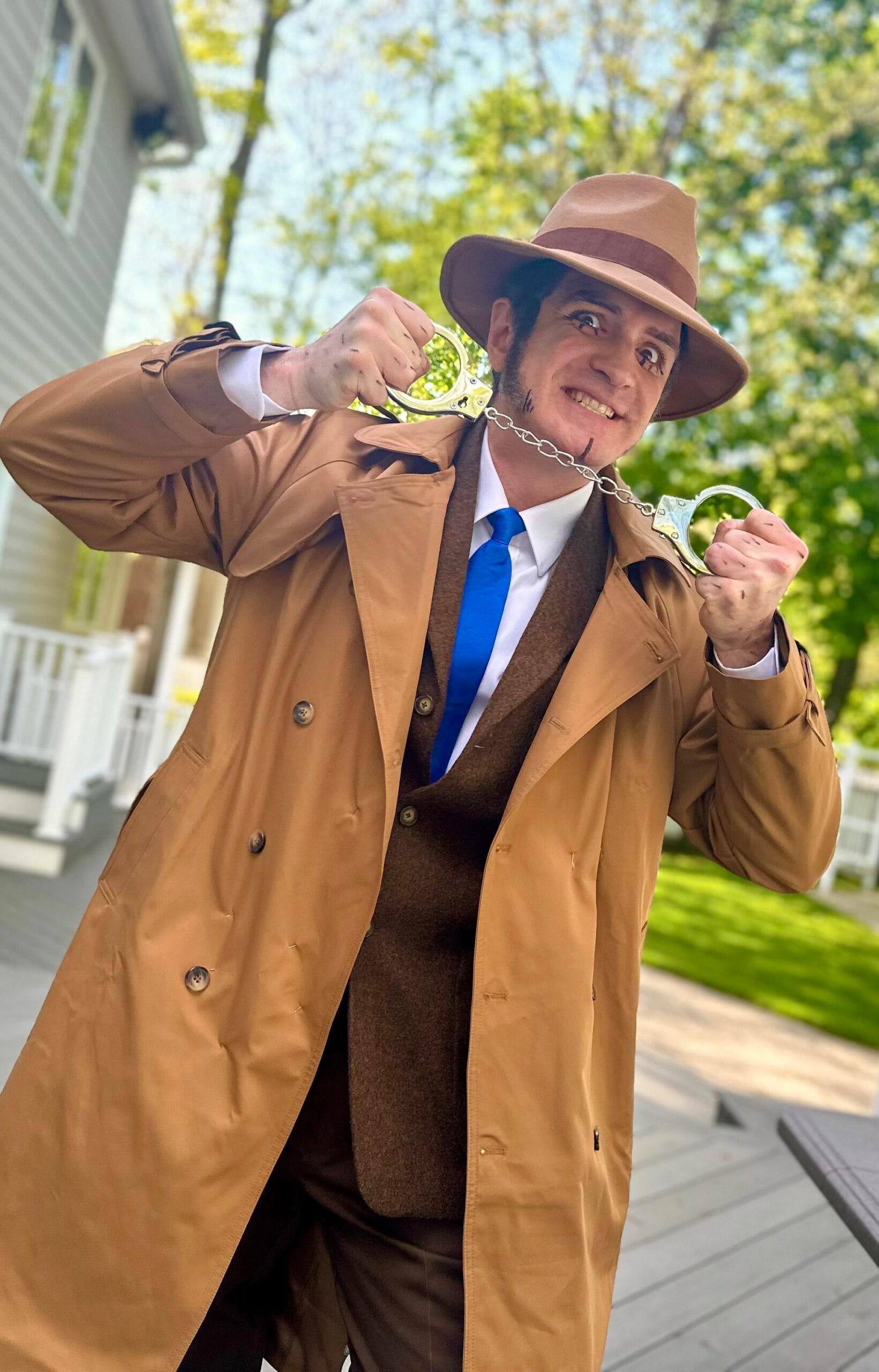
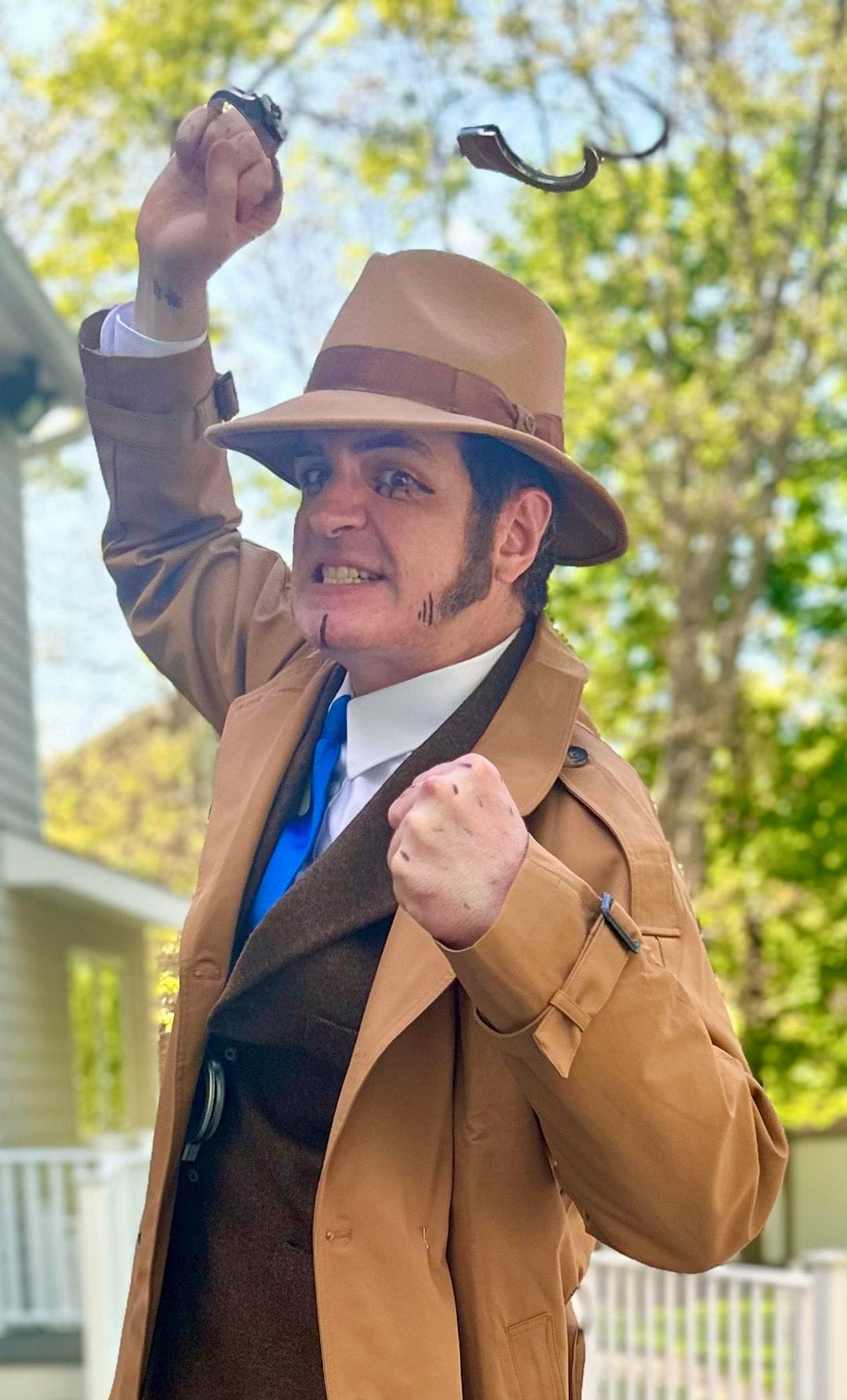
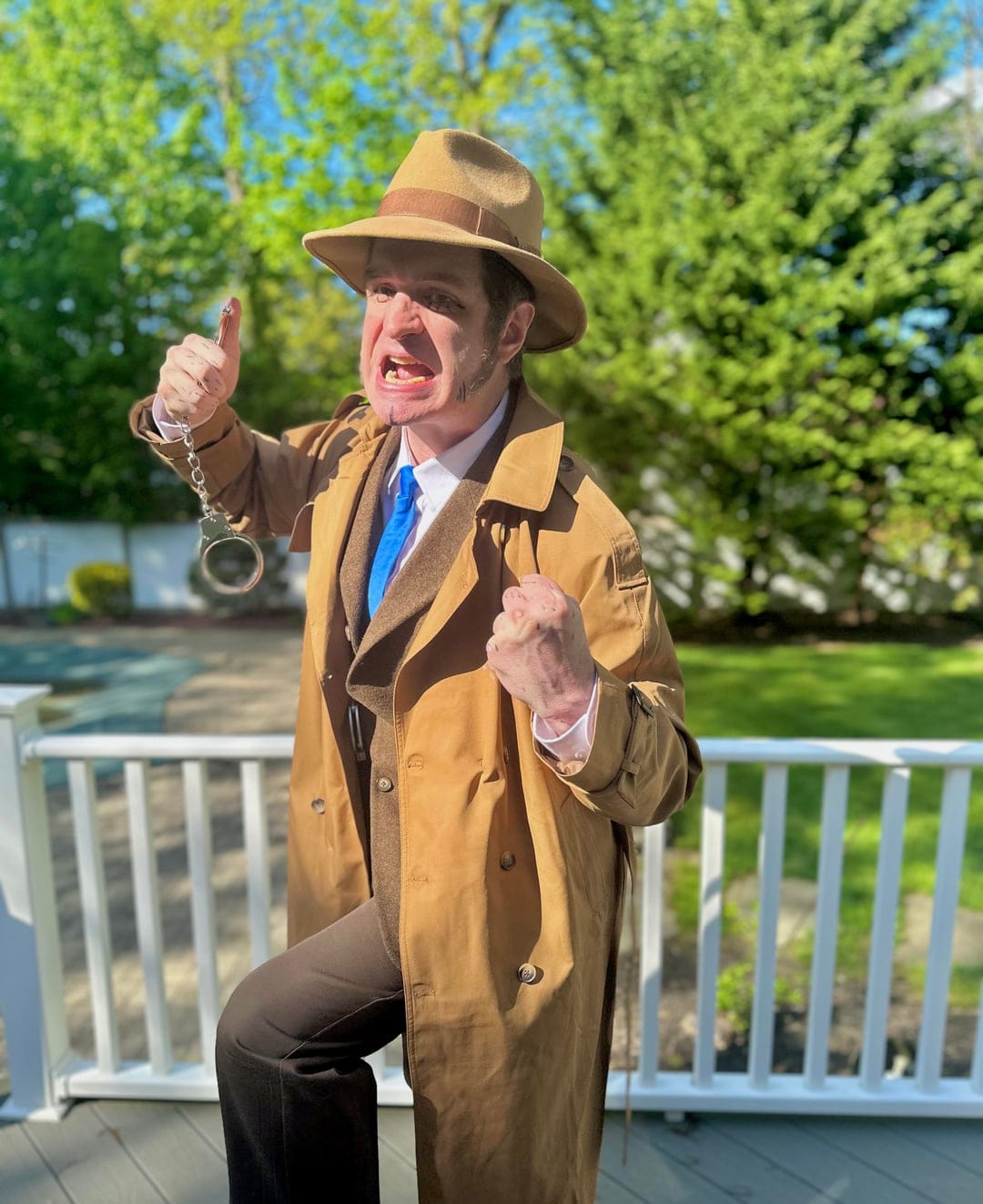
Handcuffs are the prop that gives you something to do with your hands. A pair of metal prop cuffs with a chain link between them is correct. Carry them in one hand, or hook them over your belt on the right side so they are visible. Do not buy real handcuffs; prop versions without a locking mechanism are cheaper and avoid any awkward questions. The cuffs should look solid and metallic, not like plastic toys, so avoid anything with obvious mold lines or bright silver paint.
The sideburns are the one part of the costume that requires any real preparation. Zenigata’s thick, dark sideburns run down past the earlobe to about jaw level. If you cannot grow them, stick-on sideburns from a costume shop are the standard solution. Trim them so they taper slightly at the bottom rather than ending in a blunt edge. Spirit gum adhesive holds them through a full day better than the pre-applied tape, and it is worth practicing the application once before the event so you know where they sit relative to your ear.
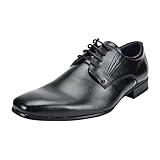
Shoes are the least important part of the outfit. Plain black dress shoes—oxfords or loafers—are all you need. They will be mostly hidden under the trouser hem, and nobody is looking at your feet when you are holding up handcuffs. Do not buy new shoes for this costume unless you need them anyway. Wear whatever black dress shoes you already own.
One detail that improves the whole look is the fit of the trench coat when you move. The character is always in motion—leaning forward, pointing, running. A coat that is too tight across the shoulders will restrict that. When you try on the coat, raise both arms forward as if pointing at someone. If the back strains or the sleeves ride up past your wrists, the coat is too small. Slightly oversized is better than slightly tight for this character.
If you want to add a little wear to the coat, a light dusting of talcum powder rubbed into the elbows and along the hem gives it a lived-in look without damaging the fabric. This is optional. The character’s coat is drawn fairly clean in most of the series, so do not overdo it.